Finding Your Pause - Responding vs Reacting
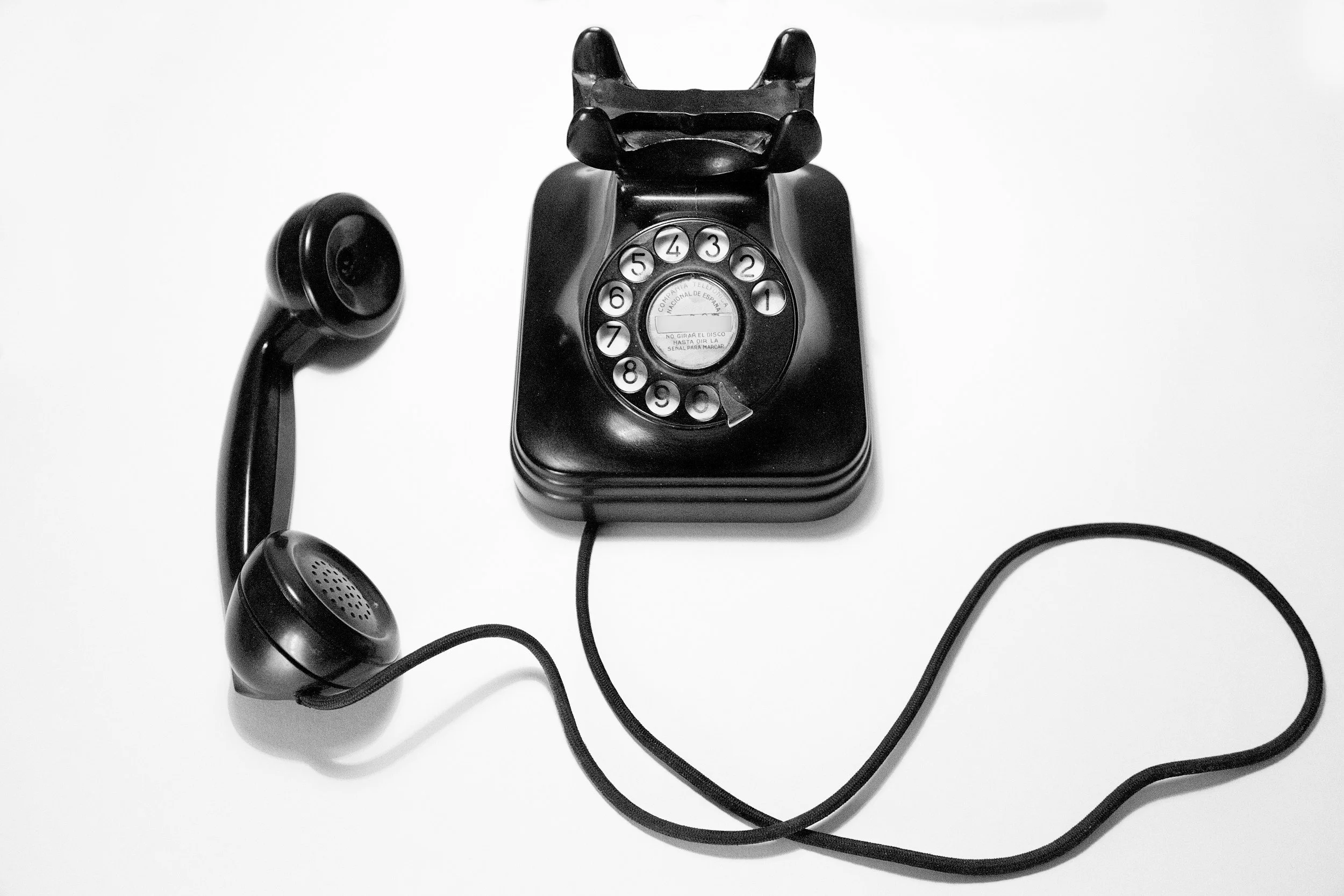
The other day, I got a text message that instantly set me on edge. It was from a friend, and the tone felt critical and unfair. My first instinct was to fire back an angry reply, defending myself and questioning their motives. I was ready to launch into a full-blown argument, all before I’d even had a chance to think. I’ve learned from past experience that this kind of instant reaction usually makes things worse. So, I put my phone down and went for a walk instead.
That simple moment of putting down my phone is the entire difference between reacting and responding. A reaction is a reflex - it's an instant, automatic action driven by emotion, often without much thought. It’s what our bodies are wired to do in a moment of stress—to fight or to flee.
"Between stimulus and response, there is a space. In that space is our power to choose our response. In our response lies our growth and our freedom."
~ Viktor Frankl ~
From a psychological perspective, this "fight or flight" response is an old survival tool, hard-wired into our brains through evolution. When the mind perceives a threat—whether it's a growling bear or a stressful email—it triggers a rapid-fire chemical release. Heart rate spikes, adrenaline floods the body, breathing becomes shallow and fast, and senses sharpen. This is a biological process and is designed to prepare the body to either stand and fight or run to safety without a second thought – survival depends on it!!. While this was incredibly useful for dodging a tiger, it’s not so helpful when dealing with a tense conversation or a difficult co-worker. Human bodies are primed for a physical emergency, but here’s a social emergency!
In contrast, a response is thoughtful. It’s a considered action that comes after pausing and assessing the situation. It’s about choosing the next step deliberately, rather than just lashing out – no matter how much the brain wants to believe the tiger is there, it isn’t.
The real key to making this shift is learning to create space. In the time between a trigger and your action, there is a tiny, powerful moment of choice. It might be just a few seconds, but it's enough to change everything. My go-to strategy is simple: I take a deep breath. Counting to ten in my head also works. It sounds small, but that tiny pause breaks the automatic chain of emotion leading directly to action. It gives the logical brain a chance to catch up with the emotional one.
Once the space has been made to assess the situation, I like to ask myself a few questions: "What is actually happening here? What are the facts?" This helps me separate my feelings from the reality of the situation. I also ask, "What is my goal right now?" Is my goal to be right, or is it to find a solution or maintain a good relationship? This simple check-in helps me choose an action that actually moves me toward a better outcome.
Sometimes, after taking the time to assess, I’m struck by the realisation that the most appropriate action is doing nothing at all. This might be the hardest lesson to learn, but it is one of the most powerful. When that passive-aggressive email arrives in my inbox, my first instinct is to reply and put them in their place. But maybe the most effective response is to let it go and not escalate the situation. When those feelings of irritation, or even rage pop up, perhaps the best thing to do is take a step back instead of saying something that will be regretted later.
Doing nothing isn't a sign of weakness; it’s an act of wisdom and control. It shows the strength to manage emotions and choose battles. Practising this shift from reacting to responding isn't about becoming a perfectly calm person who never feels anything. It's about building a skill that gives you more control over your life, not less. It helps you navigate challenges with greater clarity, build stronger relationships, and feel more peaceful, one thoughtful response at a time.