Why We Remember the Bad and Forget the Good
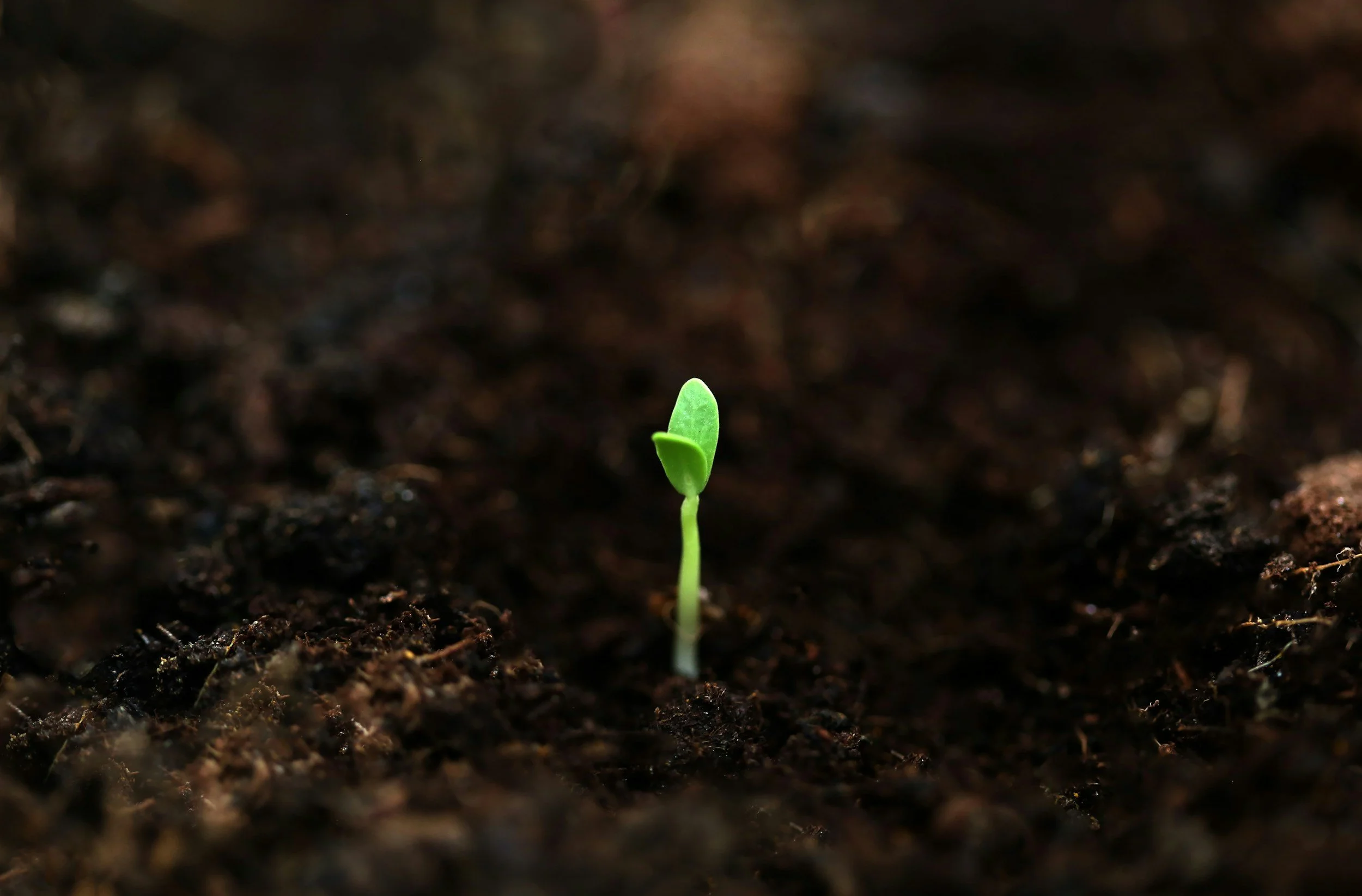
It’s here. 2026 has arrived, and somehow, we’ve made it!
As the year turns, many of us fall into the same quiet ritual. We pause. We look back. And almost without thinking, our minds head straight for the hard parts.
We remember the mistakes and the stress. The things that didn’t work out. The conversations we replay in our heads, wishing we’d handled them differently. The plans that never quite got off the ground. The moments that seem to confirm the story we already carry about ourselves.
Meanwhile, the good stuff slips quietly into the background. The wins. The small victories. The moments of strength and resilience. They start to feel accidental, almost unearned. As if they just happened, rather than being something we had any hand in. We might even wonder whether we deserved them at all.
“We are not defined by our mistakes, but by how we respond to them.”
~ Brené Brown ~
This isn’t random, and it’s not because last year was objectively terrible. It happens because many of us are far more comfortable taking responsibility for what went wrong than for what went right.
There’s a pattern I see again and again, especially in men carrying stress or burnout. When something goes badly, we tell ourselves it happened because of us. When something goes well, we quietly decide it happened in spite of us. If something falls apart, we own it completely. It’s our fault. But we rarely say, “That went well because of me.”
Why is that?
Because, deep down, many of us struggle with the idea that we’re worthy of good outcomes. That our effort mattered. That our judgement was sound. That our presence made a difference. It feels safer to believe we’re responsible for the failures than to risk believing we’re responsible for the successes, because that would challenge the familiar story that we’re not quite enough.
Burnout feeds this pattern perfectly. When you’re exhausted, overwhelmed, and stretched thin, your mind becomes a ruthless editor. It highlights every misstep and quietly deletes evidence of competence, resilience, and growth. You remember the argument, not the restraint you showed. You remember the missed deadline, not the hundred things you handled well. You remember the week you fell apart, not the months you held everything together.
And here’s the twist most people miss:
What if the story is actually the other way around? What if many of the good things that happened last year were because of you — your values, your effort, your decisions — and many of the bad things happened in spite of you? In spite of the pressure you were under. In spite of the expectations you were carrying. In spite of the energy you simply didn’t have.
This isn’t about pretending everything was great or dodging responsibility. It’s about balance. Accuracy. Fairness.
As the new year begins, the most useful question probably isn’t, “What did I do wrong last year?” A better question might be: what am I refusing to give myself credit for? What moments of steadiness did I overlook? What quiet strengths did I dismiss? What progress did I write off because it didn’t feel dramatic enough?
If you start the year by only remembering what hurt, you carry that weight forward with you. But if you start by recognising what you survived, what you learned, and what you did well — even imperfectly — you begin the year standing on firmer ground.
The goal isn’t a rosy, sugar-coated view of the past. It’s an honest one.
And honesty includes the good.
