Always Exhausted? The Hidden Energy Drains Behind Burnout
Here’s the scenario: your day is done, and you realise something strange: nothing particularly difficult happened, yet you feel completely drained.
There was no crisis. No major conflict. No unusually long hours.
And yet by the evening, your energy is gone.
Many men experiencing burnout describe exactly this. On paper, the workload hasn’t dramatically increased, but the responsibilities may even look manageable from the outside.
But something still feels heavier than it used to. What is that thing?
This is where people start searching for explanations. Maybe it’s sleep. Maybe it’s stress. Maybe it’s a lack of motivation. It can’t be nothing!
But more often than not, the problem isn’t simply how much you’re doing.
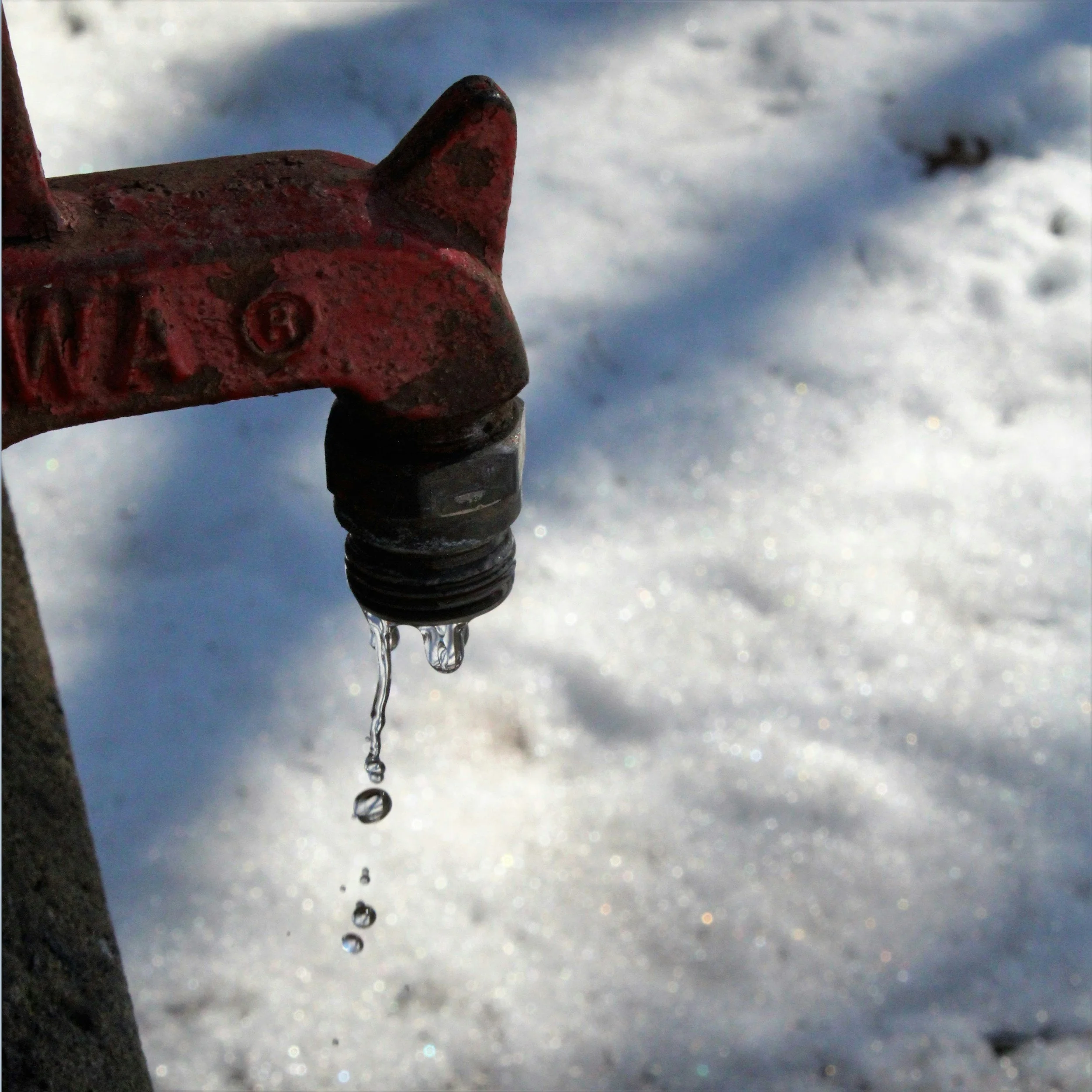
It’s where your energy is quietly leaking throughout the day.
Burnout Isn’t Always About Long Hours
When burnout is discussed, it’s usually framed as extreme overwork – endless hours, impossible deadlines, relentless pressure.
That certainly happens – for many people, burnout develops much more gradually.
You’re still showing up. You’re still doing your job. You’re still meeting expectations.
But the way you’re carrying your responsibilities is quietly draining more energy than it used to.
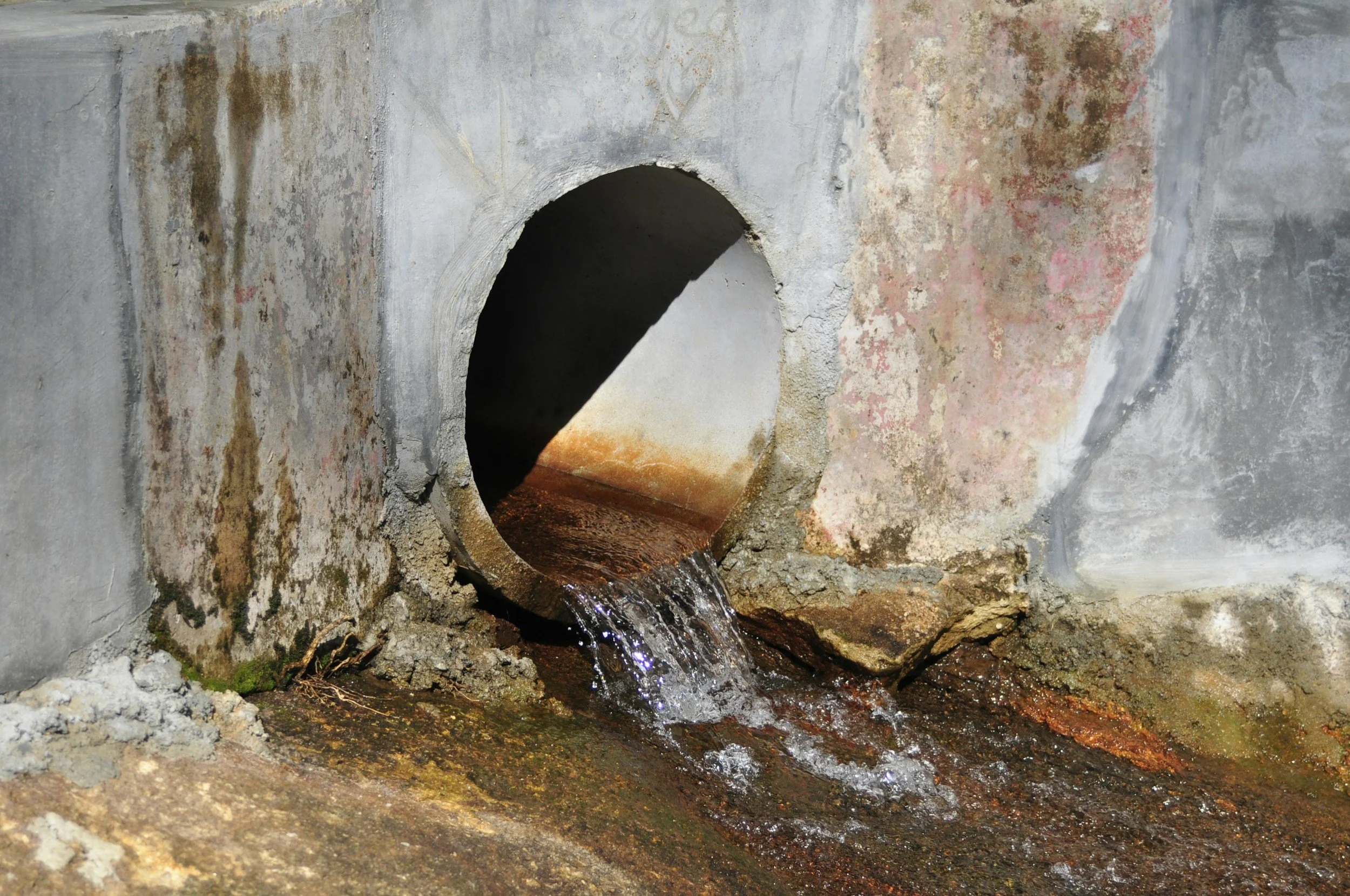
The challenge is that these drains rarely appear on your calendar. They don’t show up in your job description. They’re sneaky and arrive without warning or fanfare.
Yet they shape how your days actually feel.
The Hidden Energy Drains
Burnout often develops through a collection of small pressures that accumulate over time. Three of the most common are surprisingly subtle
1 - Constant Low-Level Pressure
Modern work rarely has clear edges.
Emails arrive throughout the day. Messages appear on Slack or Teams. Notifications keep appearing even when the official workday is over.
Even when you’re not actively working, part of your mind stays alert.
This constant background vigilance keeps your system switched on. Over time, it becomes quietly exhausting.
2 - Carrying Responsibility That Isn’t Actually Yours
Capable people tend to absorb problems.
If something goes wrong, you step in. If someone else is struggling, you help. If a decision needs to be made, you take responsibility.
None of this feels unusual. In fact, it often feels like the right thing to do.
But responsibility has a way of expanding silently. You begin carrying outcomes that were never formally yours to carry.
Eventually, the load grows without you ever consciously choosing it.
3 - Work Living in Your Head
Even when the laptop closes, the workday often doesn’t end.
You replay conversations. You think about unfinished tasks. You anticipate tomorrow’s meetings.
Your body may be home, but your mind is still partly at work, and you feel disconnected.
When this becomes a daily pattern, genuine recovery becomes difficult. The brain never fully switches off.
Why These Drains Are So Hard to See
One reason burnout develops slowly is that these behaviours look like normal responsibility.
Replying quickly feels professional. It’s expected.
Helping others feels supportive.
Thinking ahead feels responsible and proactive.
None of these actions is unhealthy on its own. But when they accumulate day after day, they quietly drain energy.
Burnout often emerges not because something dramatic happened, but because small pressures were carried for too long.
A Simple Way to Start Noticing the Pattern
Before trying to fix anything, it helps to simply notice what’s happening.
At the end of the day, take a minute to ask yourself three questions:
What drained my energy today?
What helped me feel steadier?
What responsibility did I carry that wasn’t actually mine?
These answers won’t be perfect, but you’re just beginning to notice where your energy is really going.
For many people, that alone brings an unexpected amount of insight into what’s going on. This insight can help work out what to do instead.
This will also help you become more present and ‘in the moment’.
Understanding Comes Before Change
When exhaustion doesn’t make sense, people often assume the problem is personal.
They try to push harder, become more disciplined, or improve their routines.
But burnout rarely improves through more effort.
The first step is simply understanding the load you’re carrying and how it shapes your days.
Once your exhaustion starts to make sense, something shifts. The situation becomes easier to work with.
And from there, it becomes possible to change how you carry it.
If this idea resonates, I’ve written more about these patterns on my blog. And if you’re curious to explore where your own energy might be going, you’re welcome to take a look at the Finding the Drain session on my site — it’s designed as a simple first step to get you to where you need to be.